

How to Get Rid of Bad Smells in Your VW for Good
Posted by Awesome GTI on 12th Oct 2026
Car smell removal gets much easier once you pay attention to when the odour appears and where it's strongest. A sour smell might come from milk under the carpet, while a musty odour that arrives with the blowers points towards the ventilation system. Covering either with fragrance only buys you a bit of time.
This guide follows the order we'd tackle the job in the workshop. It shows you where to check first and how to clean each cabin material without damaging it. You'll also know when the smell points to a fault that needs professional attention.
Estimated reading time 10 minutes
In This Article:
- Find What Is Causing the Bad Smell in Your Car
- Step 1: Empty the Car Completely
- Step 2: Vacuum the Interior Thoroughly
- Step 3: Clean the Affected Materials
- Step 4: Deal with Damp and Trapped Moisture
- Step 5: Clean the Air-Conditioning System
- Step 6: Neutralise the Remaining Odour
- How to Remove Specific Smells
- When a Bad Smell Needs Professional Attention
- How to Stop Car Smells Coming Back
Find What Is Causing the Bad Smell in Your Car
If you're trying to get rid of a smell in your car, start where it's strongest and note when it appears. An odour that arrives the moment the fan starts usually points towards the ventilation system. If it gets stronger after rain, check the cabin for water.
The type of smell should narrow the search fairly quickly. Use the table below as a starting point.
| Smell | Likely cause | Where to check |
|---|---|---|
| Damp or musty | Wet carpet or air-conditioning build-up | Footwells and ventilation system |
| Sour milk or old food | A spill soaked into fabric | Beneath seats and around cup holders |
| Wet dog | Pet hair or damp seat covers | Rear seats and luggage area |
| Cigarette smoke | Residue across the interior | Headlining and cabin filter |
| Sweet smell | Possible coolant leak | Passenger footwell or cooling system |
| Petrol or diesel | Possible fuel leak or recent spill | Around the car and beneath the bonnet |
| Exhaust fumes | Possible exhaust leak | Exhaust system and rear of the car |
| Burning plastic | Electrical fault or overheated component | Stop driving and arrange an inspection |
Old food and damp usually send you back to the trim or carpet. Fuel or exhaust fumes need professional attention, while anything that smells as though it's burning needs an inspection.
Slide each seat as far forwards and backwards as it'll go, then check the rails with a torch. Food often settles beneath the runners where a normal vacuum attachment won't reach.
Lift the mats and press a clean paper towel against the carpet. If it comes away damp, check the material underneath as well.
Step 1: Empty the Car Completely
Take everything out of the cabin and boot so you can see what you're dealing with. Lift the spare-wheel cover if your VW has one, as a small leak or spilt bottle often ends up underneath it.
Check the door pockets properly. An empty drinks bottle holds enough liquid to leave a sour smell once it has been wrapped in the garage heat for a few days.
Shake the mats outside and inspect both sides. Rubber mats are straightforward to wash, but carpet mats hold spills deep in the pile. Clean a particularly smelly one separately and you'll soon know how much of the odour came from it.
Step 2: Vacuum the Interior Thoroughly
Run the vacuum over the loose dirt before using any wet cleaner. It stops crumbs and grit being worked further into the fabric once you start scrubbing.
Do the seats first, using a narrow attachment along the stitching and beside the centre console. Spend a little longer around the rails, where crumbs tend to collect.
A rubber interior brush will loosen pet hair that a vacuum leaves behind. Keep the pressure light on delicate fabric to avoid roughening the surface.
Don't skip the boot floor. A leaking bottle can leave the visible carpet looking clean while liquid sits in the spare-wheel well below.
Step 3: Clean the Affected Materials
The right product matters more than strength during car smell removal. Pick the cleaner by material, rather than grabbing the strongest bottle in the cupboard. Whatever tape is already in the garage might hold a bin bag shut, but the same approach doesn't work with interior cleaners.
You'll find car cleaning products for different areas of the cabin in our range. Check the instructions and test the cleaner on a hidden patch before moving onto a visible area.
Cleaning Cloth Seats and Carpets
Apply a fabric-safe interior cleaner according to the instructions, working on an area you can keep track of. Avoid soaking the fabric because excess liquid carries the spill deeper into the seat foam.
Work the cleaner in gently with an upholstery brush, then blot the area with a clean microfibre cloth. For a larger spill, a wet extraction machine pulls the dirty liquid back out instead of leaving it in the foam.
Keep extracting until the recovered water looks clean, then leave the doors open somewhere secure while the interior dries.
Cleaning Leather Seats
Leather needs a dedicated cleaner. A strong household spray risks stripping the protective finish and leaving the surface patchy.
Put the cleaner onto a cloth or soft brush so you control how much reaches the seat. Work carefully around the stitching and wipe away the residue. Use very little liquid on perforated leather because the foam sits directly beneath the holes.
Cleaning Plastic and Interior Trim
Use an interior cleaner that's suitable for plastic on the dashboard and door cards. Spray the cloth rather than the trim when you're near a screen or switch, which keeps excess liquid away from the electronics.
Smoke and greasy food leave a film across areas that don't look dirty. Check the inside of the windscreen for a hazy residue, as the surrounding trim will probably need cleaning too.
Cleaning the Headlining
The headlining is the one area to take slowly. Its thin fabric is glued to a shaped backing, so too much liquid weakens the bond and leaves it sagging.
Use a barely damp microfibre cloth and keep the pressure gentle. Leave a heavily stained headlining to someone who can clean it without saturating the backing.
Step 4: Deal with Damp and Trapped Moisture
A damp smell will return while the layer beneath the carpet is still wet. The surface might feel dry even though the thick underlay below is holding plenty of water.
Check the lowest part of each footwell and lift the boot floor. Look around the door seals for water marks. If your VW has a sunroof, check its drainage channels as well.
Pull standing water out with a wet vacuum, then keep plenty of air moving while the rest dries. A moisture absorber helps with the last bit of dampness, though it won't dry soaked underlay by itself.
Visible mould needs cleaning promptly and the water source needs fixing. Government guidance explains that damp and mould affect the airways and can irritate the eyes or skin.
If the carpet gets wet again, the next job is finding the way in. No car odour removal product will fix a failed seal or blocked drain.
Step 5: Clean the Air-Conditioning System
If the smell only turns up when the blowers come on, start with the ventilation system. The first check is the cabin filter, also called the pollen filter.
It catches dirt before air reaches the cabin. Once damp or clogged, the filter holds onto odours and sends them straight through the vents.
Cabin filters are made for particular vehicles, so check the listed model and year rather than choosing one that looks roughly the right size. Use our Shop By Car selector to find a cabin filter listed for your VW model and year.
Once the filter is sorted, a deodorising treatment helps with stale air deeper in the system. Power Maxed Air-Con Refresh circulates through the vents to treat odours and build-up. Follow the instructions for the correct fan setting and air the cabin afterwards.
If the smell returns soon after treatment, book an air-conditioning service. Our workshop can check the system for drainage problems or faults that a spray won't fix.
Step 6: Neutralise the Remaining Odour
Once the source has gone and the interior is dry, air the car somewhere secure. Leave the doors open for a while, then run the fan with fresh air entering the cabin rather than using recirculation.
An odour absorber helps with a faint smell left in dry fabric. Some owners use baking soda on carpet, though it needs testing on a hidden patch first. Vacuum it up fully and keep it out of the vents.
An air freshener belongs at the end of the clean if you want some fragrance. If the original smell returns, check the affected area again before reaching for a stronger scent.
How to Remove Specific Smells
The main car smell removal process handles most odours. Smoke and anything soaked deep into the upholstery needs a little extra work.
How to Remove Cigarette Smoke from a Car
Smoke residue coats the cabin, including areas that look clean. Vacuum the fabric first, then wipe the hard trim. Clean the inside of the windows as well to remove the greasy film.
Treat the headlining carefully and check the cabin filter. An air-conditioning treatment helps if the ventilation system smells stale.
A heavily smoked-in car often needs professional treatment. Ozone equipment should only be used by someone who understands the exposure risks and knows how to air the vehicle safely afterwards.

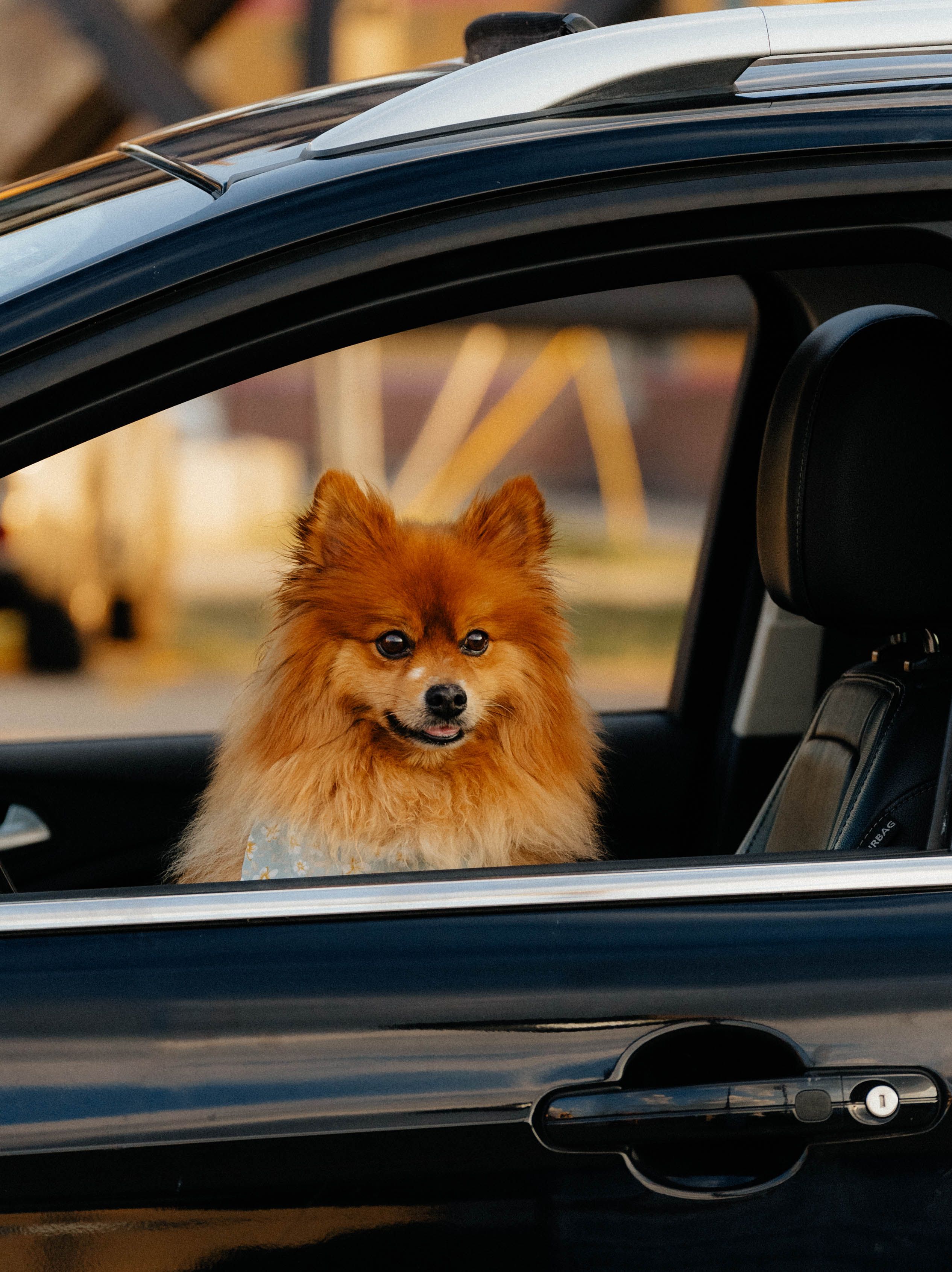
How to Remove Dog Smell from a Car
Take out washable pet covers and clean them separately. A rubber brush will loosen hair before you vacuum the rear seats and boot carpet.
Clean the area where the dog usually sits with a fabric-safe product and let it dry before putting the cover back. A damp cover transfers the smell straight onto clean upholstery.
How to Remove Spilt Milk from a Car
Blot fresh milk instead of rubbing it through the carpet. Use a fabric cleaner made for the material and extract the liquid where possible.
Milk that reaches the carpet underlay or seat foam needs deeper cleaning. Lifting the surrounding trim gives you access to the material underneath and stops the smell returning after the surface dries.


How to Remove a Musty Air-Con Smell
Check the cabin filter and replace or clean it as required. Follow this with a suitable air-conditioning treatment, then run the fan with the windows open.
A smell that returns shortly afterwards points towards build-up deeper in the system or a drainage problem. Arrange an inspection instead of repeating the same treatment.
When a Bad Smell in a Car Needs Professional Attention
Fuel and exhaust smells sit outside the normal cleaning routine, as does a burning smell. Stop driving if the smell is strong or you notice smoke.
A petrol or diesel smell might come from a small filling-station spill, though it also points towards a leaking fuel system. Switch the engine off and arrange an inspection if you can't identify a harmless external spill.
Treat exhaust fumes inside the cabin seriously. The Health and Safety Executive warns that vehicle exhaust fumes contain poisonous carbon monoxide. Carbon monoxide has no smell, but other exhaust gases entering the car give you a clear warning that the system needs checking.
A sweet smell paired with dampness in the passenger footwell suggests a coolant leak. Burning plastic often points towards an electrical fault or overheated component. Both need diagnosis by a garage.
How to Stop Car Smells Coming Back
Deal with spills before they soak into the carpet. A microfibre cloth kept in the boot gives you something clean to blot them with.
Remove damp coats and gym kit when you get home. Take pet covers out after a wet journey so the boot has time to dry.
Run the air conditioning regularly during winter as well as summer. Keep the system serviced and replace or clean the cabin filter according to its instructions.
For day-to-day car smell removal, you'll find suitable cleaners in the Awesome GTI car care range. If the smell keeps returning after you've cleaned and dried the cabin, get in touch with our team for advice or to arrange an inspection.