
What does GTI Stand For?
3rd Feb 2026
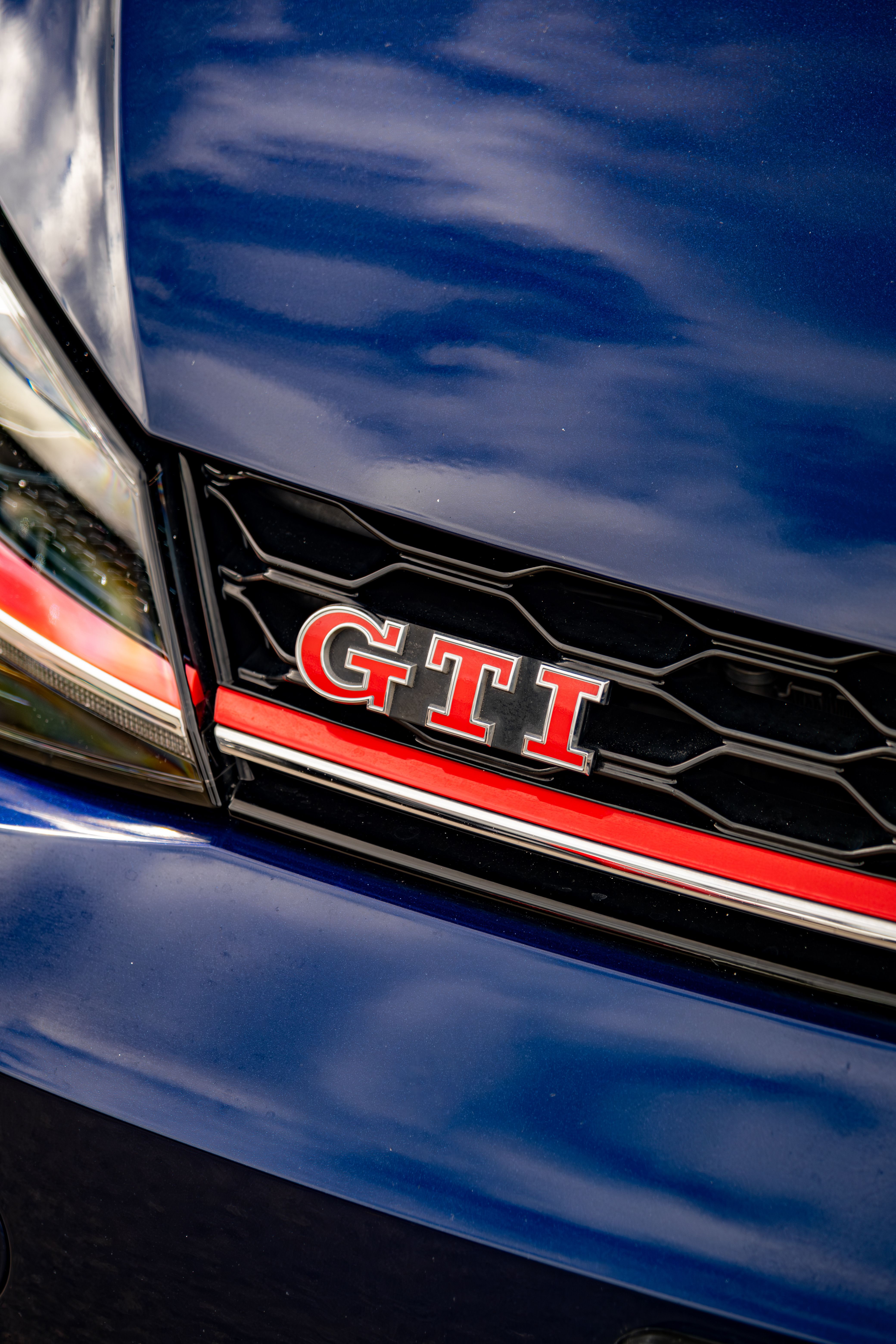
What does GTI stand for? Three letters that have appeared on some of the most iconic performance cars ever built. GTI stands for Gran Turismo Iniezione, which for Italian for Grand Touring Injection. Simple enough, but the reason those three letters still carry real weight, nearly five decades after they first appeared on a German hatchback? That's worth getting into.
What Does GTI Stand For?
GTI traces back to the Italian phrase Gran Turismo Iniezione, meaning Grand Touring Injection.
The "injection" part referred to fuel injection, which was worth shouting about when the badge first appeared in the 1970s. Most road cars were still running carburettors at the time, which were not exactly known for crisp throttle response. A fuel-injected engine was a proper talking point.
Today, the technical origin matters less. GTI has become a performance-trim signal. It tells you the car wearing the badge has been tuned beyond the standard spec: more power, sharper chassis, bigger brakes, and just enough visual distinction to look the part without going full bodykit-and-spoiler about it.
Is the GTI Meaning the Same Everywhere?
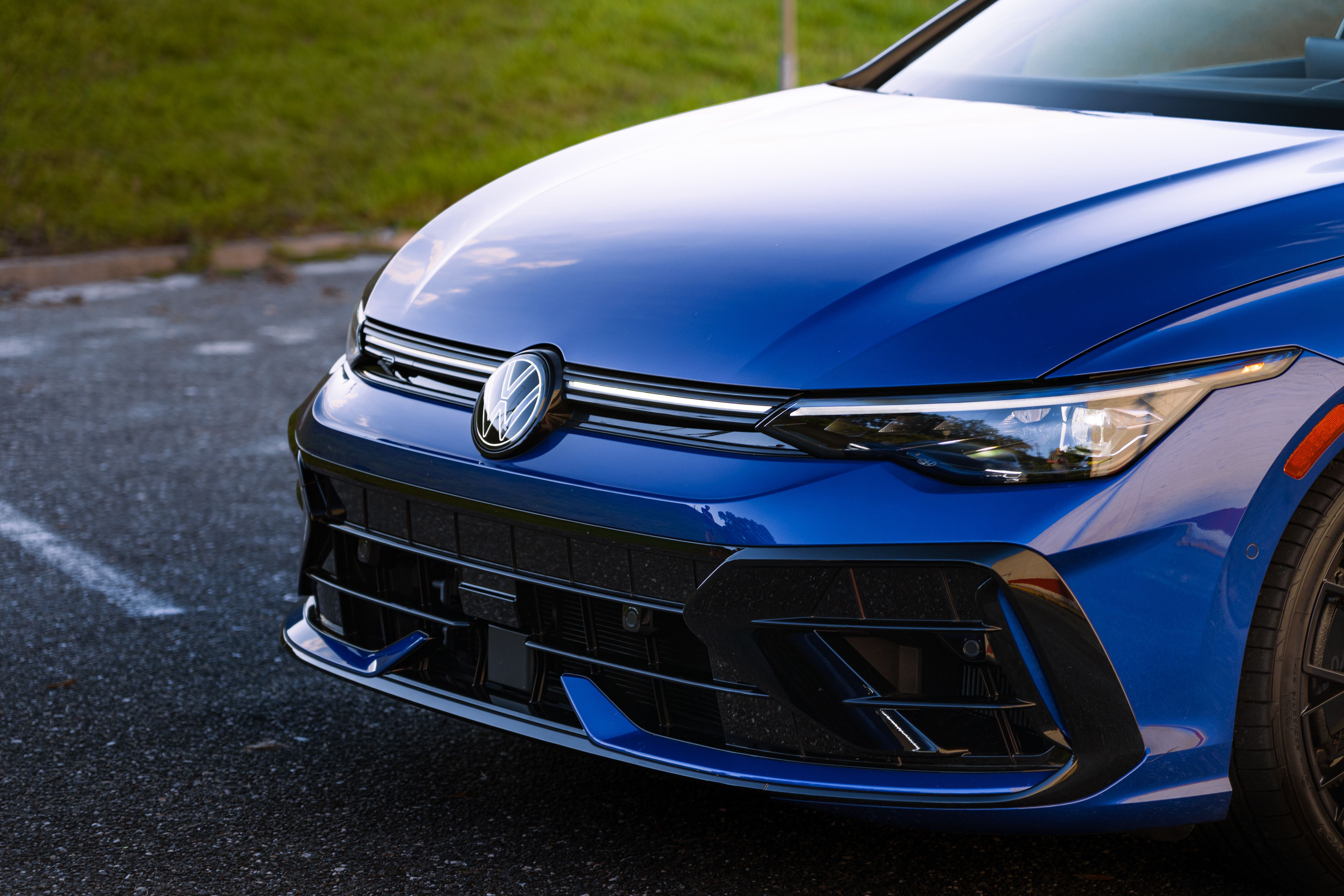
Short answer: no, and that's part of what makes it interesting. Not every manufacturer uses it identically. Volkswagen has made GTI so synonymous with the Golf that many enthusiasts associate the badge almost exclusively with Wolfsburg. However, it's appeared elsewhere too, each time with its own interpretation.
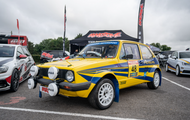
GTI isn't exclusive to VW. Peugeot used it on the 205 GTI and 106 GTI, and both are well-regarded hot hatches in their own right. The 205 GTI in particular is often mentioned in the same breath as the Mk1 Golf when enthusiasts talk about cars that defined an era. Volkswagen has just become so associated with the badge that the two feel almost inseparable.
In practical terms, GTI means a sportier, more capable version of an everyday car. Stronger engine, sharper suspension, upgraded brakes, a cabin that feels a bit more purposeful. It's not a track weapon, or a standard family hatch. It sits in that sweet spot in between, and the best GTIs have always owned that space.
What Changes from a Regular Trim to a GTI?
Think of it as the standard car, turned up. A GTI typically brings:
- A more powerful engine with sharper throttle response
- Stiffer, lowered suspension tuned for handling over comfort
- Larger brakes to match the extra pace
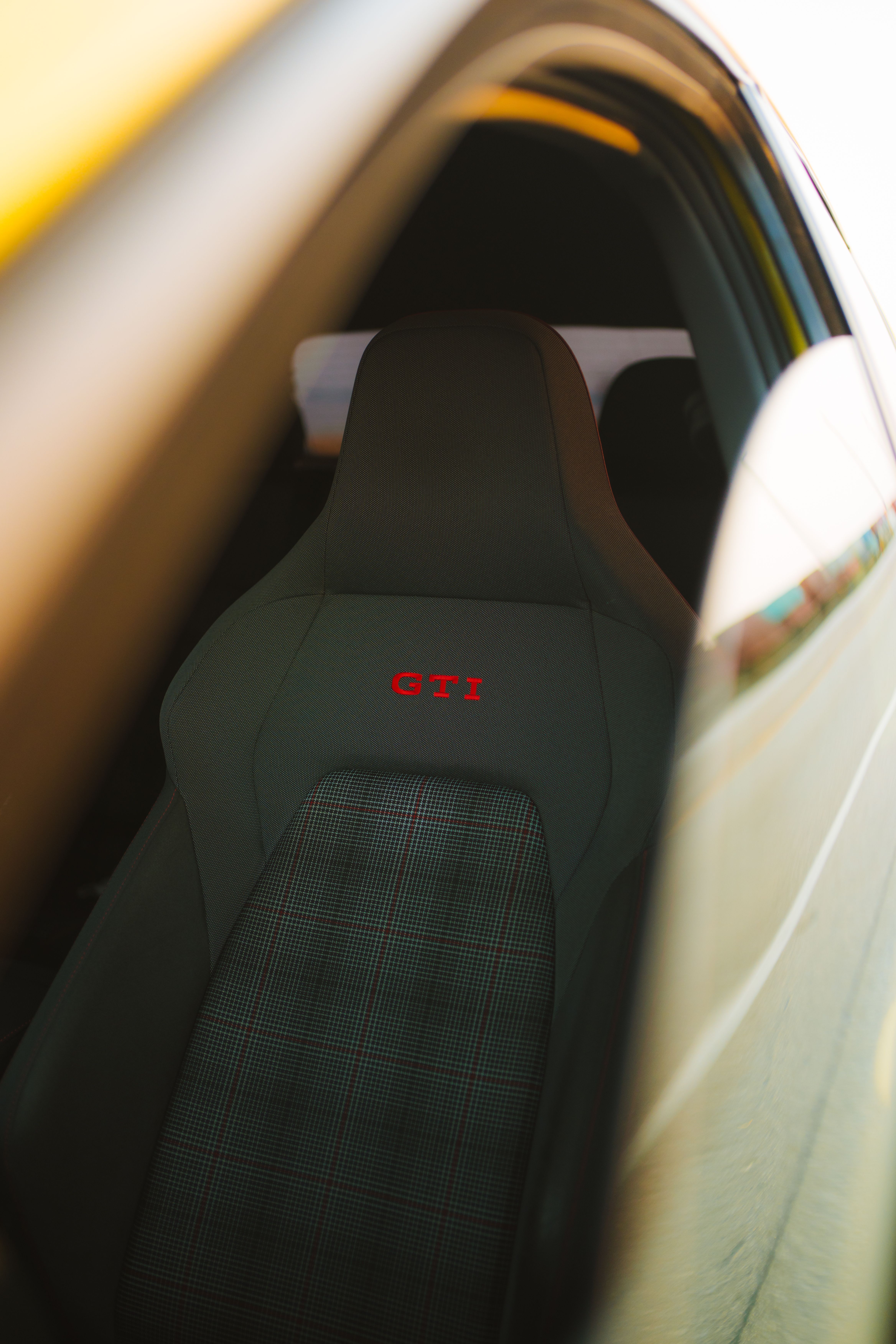
- Sport seats, flat-bottomed steering wheel, a more driver-focused interior
- Subtle styling upgrades, such as unique alloys, discreet body kit details and GTI badging
The driving feel shifts noticeably too. Sharper steering, quicker responses, a chassis that stays planted through corners without becoming a back-breaker on the commute. That daily usability has always been the point.
Who is a GTI Best Suited For?
Now that we've covered what is a GTI, you may be weighing up whether it's the right car for you. The answer comes down to one thing: you want to drive, not just travel.
GTI models are built for people who find joy in the journey, those who want a car that responds and rewards effort behind the wheel. They suit the everyday enthusiast perfectly; someone who needs a practical, usable car for work and life, but isn't willing to settle for something forgettable. They're for the driver who grins on a quiet road and cares about what's under the bonnet.
You don't need to be a track day regular or a hardcore modifier to appreciate a GTI, you just need to be someone who actually likes driving. If that sounds like you, chances are a GTI is exactly what you're looking for.
What Do GTD and GLI Stand For, and How Do They Relate to GTI?
Once you understand the GTI meaning, the related badges click into place quickly. VW's naming logic is surprisingly consistent once you see the pattern.
What Do GTI and GTD Stand For?
GTD follows the same logic as GTI but swaps the fuel source. GTD stands for Gran Turismo Diesel. It’s VW's answer to the question: what if you wanted the GTI experience with a diesel engine?
In practice, GTD models lean into strong low-end torque and efficiency rather than high-revving performance. The intent is the same (a sharper, more focused version of the standard car), just tuned around diesel's strengths. Think motorway pulls rather than rev-happy B-road blasts.
What Do GTI and GLI Stand For?
GLI takes the GTI concept and applies it to a saloon body. It stands for Gran Lusso Iniezione (Grand Luxury Injection) and appears on sedan variants in certain markets, most notably the Jetta GLI in North America. Same performance intent, different suit.
What Does TSI Stand For in VW Engines?
TSI is an engine technology badge, not a trim level. It stands for Turbocharged Stratified Injection and refers to VW's turbocharged petrol engine family. Crucially, TSI engines appear across the entire VW range.
| Badge | Type | Fuel/Engine | What It Signals |
|---|---|---|---|
| GTI | Trim level | Petrol (typically) | Performance-focused hot hatch |
| GTD | Trim level | Diesel | Performance-focused, torque-led |
| GLI | Trim level | Petrol | GTI equivalent in saloon body styles |
| TSI | Engine badge | Turbocharged petrol | Engine technology, not a performance trim |
Basically, seeing TSI on a car doesn't mean you're looking at a performance variant.
Why Is GTI Called Rabbit?
In North America, Volkswagen sold the Mk1 Golf under the name "Rabbit" rather than Golf. This was a market decision, not a mechanical one. The car was essentially identical underneath. VW eventually unified the Golf name globally and retired the Rabbit badge, though it briefly reappeared on the Mk5 in North America before disappearing again.
How Do You Keep a GTI Running Like a GTI?
Understanding what a GTI is is one thing. Keeping the car behind it performing the way it should is where real ownership begins.
What Maintenance Matters Most for Performance and Reliability?
A GTI is built to perform, but it stays that way through consistent, quality servicing. Correct intervals and no corner-cutting on consumables are among the things that directly affect how the car drives.
Tyres and brakes matter more on a performance car than a standard hatch, as a GTI is harder on both under spirited driving. Cooling systems are worth checking regularly too, especially on modified or higher-mileage examples.
Another important, but often overlooked factor, is to address warning lights early. What starts as a minor fault becomes an expensive one if it's left long enough.
What Are Common GTI Ownership Mistakes?
The most common mistake is leaving small issues because the car still drives fine. A GTI will often mask early problems well, which makes it easy to delay action until the fault becomes serious.
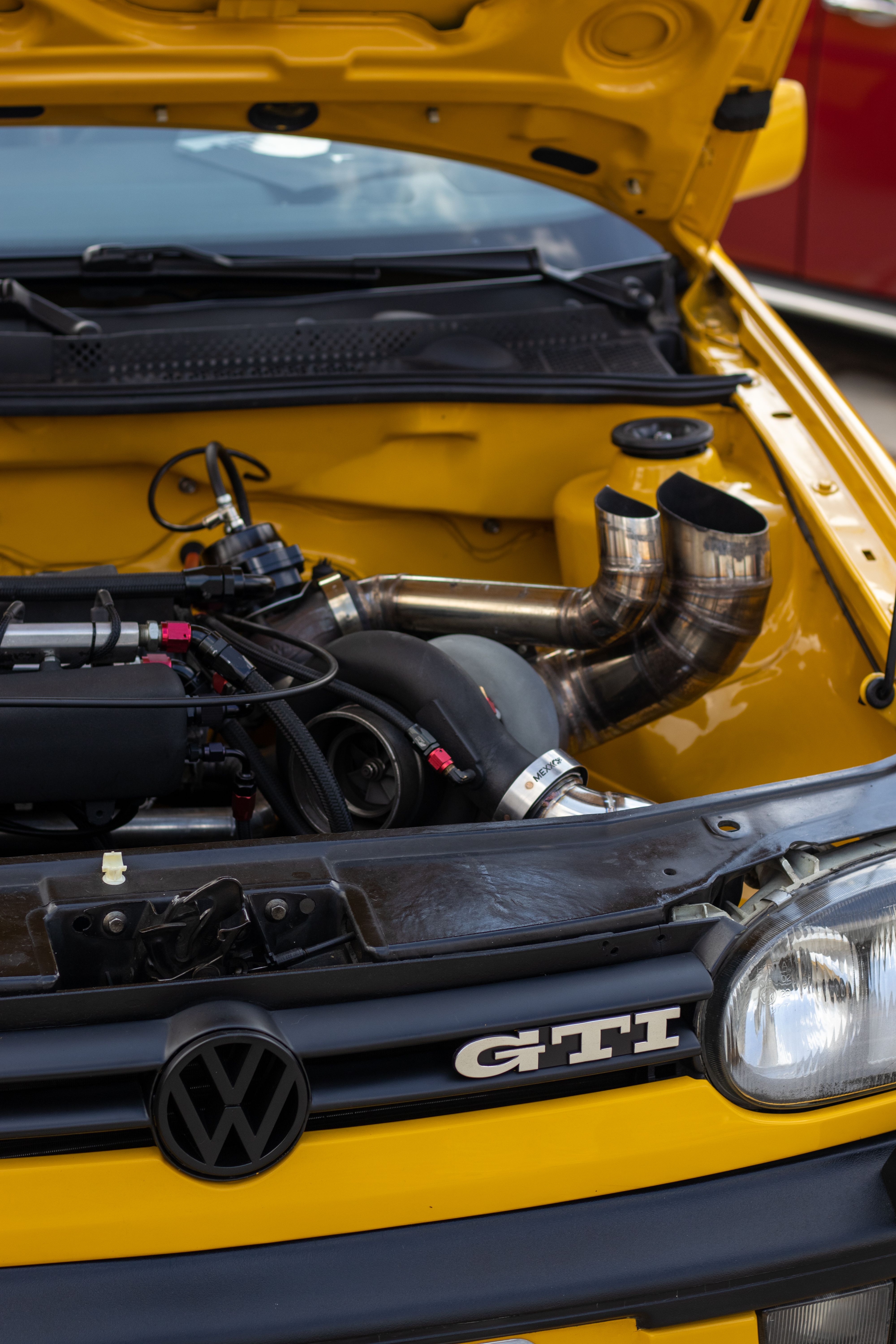
Chasing power without supporting the rest of the car is another classic. Upgraded fuelling or boost without checking whether the brakes, cooling, and tyres can handle the extra load is a recipe for problems.
Skipping diagnostics and data logging after modifications is risky business, as changes to the engine or drivetrain can introduce faults that aren't immediately obvious. Catching them early is always cheaper than catching them late.
If you're seeing an EPC light or inconsistent boost, diagnostics will give you a proper read on what's actually happening rather than educated guesswork. A rolling road session is useful for validating fuelling and boost after modifications, or simply establishing a real-world power baseline.
For broader car care guidance or to explore what's available through our garage services, there's plenty to dig into. And if you want to talk through what your GTI actually needs, contact us and we'll point you in the right direction.